




10 Revenue Cycle Management Best Practices to Follow in 2026
- Updated Date Aug 15, 2026
- Revenue Cycle Management
- Follow
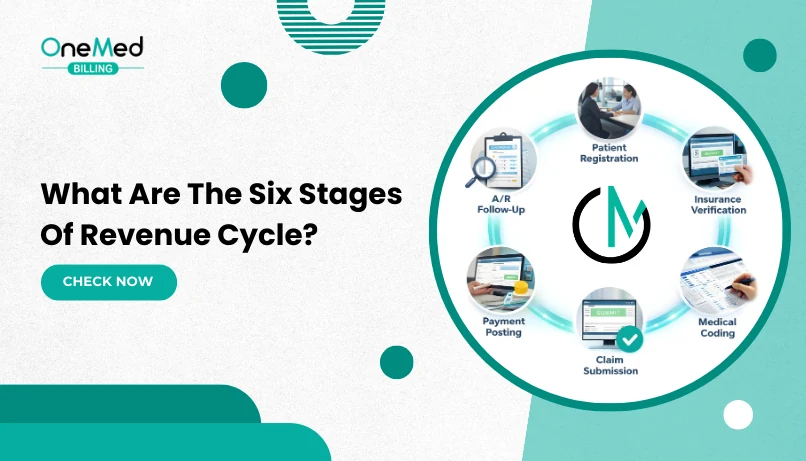
Managing the revenue cycle effectively requires more than submitting claims on time. Every step across the six stages of the revenue cycle, from registration and eligibility verification to coding, denials, and A/R follow-up, can affect how quickly and accurately a healthcare organization gets paid.
The strongest revenue cycle management best practices focus on preventing revenue cycle management mistakes before they turn into denials, reducing delays between care and payment, and identifying workflow problems before they affect cash flow.
When these processes are managed consistently, organizations can improve claim accuracy, reduce A/R pressure, and maintain a healthier revenue cycle.
10 Revenue Cycle Management Best Practices for 2026
These best practices focus on the key steps that affect claim accuracy, denial prevention, payment speed, and A/R performance. Each one addresses a specific part of the revenue cycle where delays or errors commonly occur.
1. Get Patient and Insurance Information Right Up Front
Accurate patient and insurance information is the foundation of the revenue cycle. Errors at registration can lead to eligibility problems, claim rejections, denials, and delayed payment later.
Before the visit, confirm:
- Patient name and date of birth
- Member and subscriber information
- Active insurance coverage
- Copay, coinsurance, and deductible
- Primary and secondary insurance
- Network status
- Referral requirements
- Prior authorization requirements
Insurance information should be verified regularly because coverage and benefits can change. Catching these issues before the visit is usually easier than correcting them after the claim has already been submitted.
2. Confirm Prior Authorization Before the Service
A missing or incorrect prior authorization can lead to a denial even when the service was medically necessary.
Before the patient receives care, confirm:
- Whether authorization is required
- The approved procedure and diagnosis
- The authorized provider and facility
- The number of approved visits
- The authorization date range
- Whether any schedule or treatment changes require a new approval
The authorization details should match the service that will be billed. A final check before treatment helps prevent avoidable denials and last-minute delays.
3. Address Patient Responsibility Before the Service
Patient collections are easier to manage when patients understand their expected costs before receiving care. Waiting until after the claim is processed can lead to confusion, delayed payments, and higher outstanding balances.
After verifying insurance benefits, provide a reasonable estimate of the patient’s expected responsibility, including:
- Copay
- Deductible
- Coinsurance
- Non-covered services
- Available payment options
Make it clear that the final amount may change after the payer processes the claim. Discussing financial responsibility early helps set expectations, supports point-of-service collections, and reduces billing surprises later.
4. Improve Documentation and Charge Capture
Revenue can be lost before a claim is even created. When documentation is incomplete, notes remain unsigned, or services are not captured correctly, charges may be delayed, missed, or billed without enough support.
Practices should regularly review:
- Unsigned or incomplete notes
- Missing encounters
- Unposted or delayed charges
- Services documented but never billed
- Charges that do not match the documentation
- Recurring charge capture gaps by provider, location, or service type
The goal is to make sure every billable service moves from the clinical record to the claim accurately and on time. Regular charge capture reviews can help identify missed revenue early and prevent the same documentation or workflow gaps from affecting future claims.
5. Audit Coding and Claim Accuracy Regularly
Coding problems are often repeated across multiple claims before anyone notices the pattern. Periodic reviews can identify problems before they affect a larger volume of revenue.
Look for recurring issues involving:
- CPT and ICD-10 selection
- Modifiers
- Diagnosis-to-procedure relationships
- Units
- Place of service
- Provider information
- Specialty-specific coding requirements
Do not review only denied claims. Comparing paid, rejected, and denied claims can reveal patterns that would otherwise go unnoticed.
When a recurring problem is found, correct the source through coder feedback, provider education, system edits, or workflow changes.
6. Stay Current With Payer-Specific Rules
Payer requirements are not always consistent. A claim that processes correctly with one insurer may reject or deny with another because of different rules for modifiers, authorizations, filing limits, documentation, or frequency.
Maintain current payer-specific guidance for:
- Required modifiers
- Prior authorization rules
- Filing deadlines
- Medical necessity
- Frequency limits
- Supporting documentation
- Place-of-service requirements
Update these rules using payer portals, contracts, bulletins, and recent denial trends. This helps prevent the same payer-specific error from affecting multiple claims.
7. Use Denial Data to Fix Root Causes
Denials should not be treated as isolated claim problems. When the same denial reasons appear repeatedly, they usually point to a weakness somewhere earlier in the revenue cycle.
Group denials by cause, such as:
- Eligibility
- Prior authorization
- Coding
- Documentation
- Medical necessity
- Timely filing
- Payer-specific requirements
Then trace each denial back to where the problem started. For example, an authorization denial may begin with a scheduling change that was never communicated, while a coding denial may be linked to incomplete documentation.
The goal is not simply to overturn individual denials. It is to identify where the error started and change the workflow so the same denial does not continue across future claims.
8. Work A/R by Priority, Not Just Age
A/R follow-up should not be based only on which claim is the oldest. Some accounts carry greater financial risk and need attention sooner, especially when a high balance or appeal deadline is involved.
Prioritize A/R using factors such as:
- Outstanding balance
- Claim age
- Payer status
- Denial or rejection reason
- Filing or appeal deadline
- Likelihood of recovery
Each account should also have a clear next action and follow-up date so claims do not sit without ownership.
This approach helps billing teams focus their time on the accounts with the greatest revenue impact instead of simply working through an aging report from oldest to newest.
9. Track the Right Revenue Cycle KPIs
You cannot improve revenue cycle performance if problems are only reviewed after cash flow has already slowed. Tracking the right KPIs helps identify issues earlier and shows where the revenue cycle needs attention.
Focus on metrics such as:
- Days in A/R
- Clean claim rate
- First-pass acceptance rate
- Denial rate
- Net collection rate
- A/R over 90 days
- Outstanding patient balances
- Payment turnaround time
The goal is not simply to report these numbers. Review trends over time and investigate meaningful changes.
For example, a rising denial rate may point to problems with coding, authorization, or documentation, while increasing days in A/R may indicate weak payer follow-up, payment-posting delays, or unresolved claims.
10. Review and Improve RCM Workflows Regularly
Revenue cycle problems often start in one part of the workflow and show up later somewhere else. A denial may begin with incorrect registration, an authorization issue may come from a scheduling change, and an A/R problem may trace back to incomplete documentation or delayed claim submission.
Review information such as:
- Claim rejections
- Denial trends
- A/R reports
- Payment delays
- Coding audits
- Staff feedback
- Payer trends
Use these findings to identify where handoffs, communication, or processes are breaking down.
The goal is not just to fix individual claims. Strong RCM teams use recurring problems to improve the workflow that caused them, reducing the chance that the same issue affects future claims.
Conclusion
Strong revenue cycle management comes from keeping every stage of the process connected, consistent, and measurable. The goal is not only to correct problems after they happen, but to use denial trends, A/R data, and performance metrics to find where revenue is being delayed and improve the workflow at the source.
For organizations that want more support managing the process, our revenue cycle management team works within your existing systems and workflows to help keep the revenue cycle organized, consistent, and financially healthy.
If you’re ready to strengthen your revenue cycle, contact our team to discuss your current workflow and get started.
Frequently Asked Questions
Find quick answers to common questions about this topic, explained simply and clearly.
What are revenue cycle management best practices?
They are proven steps used to reduce billing errors, prevent denials, speed up payments, and improve cash flow.
How can healthcare organizations reduce claim denials?
They can reduce denials by verifying insurance, confirming authorization, improving documentation, reviewing coding, and tracking denial causes.
Which part of the revenue cycle should be improved first?
Start with the area causing the most denials, delays, or lost revenue.
How often should revenue cycle performance be reviewed?
Review major RCM metrics monthly and high-risk issues such as denials and aging claims weekly.
Can outsourcing improve revenue cycle performance?
Yes. Outsourcing can help reduce backlogs, fill staffing gaps, and improve billing consistency.