



Predetermination vs Prior Authorization: Key Differences
- Updated Date Sep 5, 2026
- Prior Authorization
- Follow
Predetermination is an optional cost estimate insurance gives before treatment. Prior authorization is a required approval insurance gives before certain services get covered. Both happen before care, but only one of them decides whether the claim gets paid.
Mixing the two up is how a lot of surprise bills happen. Skipping a predetermination just means no cost estimate ahead of time. Skipping a required prior authorization can mean the claim gets denied outright.
What Predetermination Actually Does?
Predetermination answers one question: if this treatment happens, how much will insurance pay, and how much lands on the patient.
A provider sends the proposed service to the insurer. The insurer reviews the benefits on file and sends back an estimate, not a guarantee. This shows up often with dental work like crowns and implants, though some planned medical procedures use it too.
The key thing to remember: predetermination is a budgeting tool. It tells someone what to expect. It does not promise the insurer will pay that amount once the claim actually gets filed.
What Prior Authorization Actually Does?
Prior authorization answers a different question: will insurance cover this at all.
The prior authorization process starts when a provider submits medical documentation showing why the service is needed. The insurer reviews it against coverage rules and either approves or denies it before the service happens. This step is common for MRIs, CT scans, surgeries, and specialty medications.
Some payers use the terms precertification and preauthorization for this same process, and the wording shift causes real confusion. The difference between precertification and preauthorization breaks down exactly where those terms overlap.
Skip this step when it is required, and the outcome is not a surprise bill. It is usually a denied claim.
Predetermination Vs Prior Authorization At A Glance
| Predetermination | Prior Authorization | |
|---|---|---|
| Purpose | Estimate cost | Confirm coverage |
| Required? | Usually optional | Often required |
| Skip it, and | Costs may surprise you | Claim may get denied |
| Common for | Dental work, planned procedures | Imaging, surgery, specialty drugs |
| Result | A cost estimate | An approval or a denial |
Two Real Examples
A dental crown. A dentist recommends a crown. Before scheduling it, the patient requests a predetermination. Insurance reviews the plan and sends back an estimate of what they will cover and what the patient owes. Nothing is approved or denied yet, just estimated.
An MRI for knee pain. A doctor orders an MRI. The plan requires prior authorization for this type of imaging. The provider submits the request, and insurance has to approve it before the scan happens. Skip that approval, and the claim can come back denied, leaving the patient responsible for the full cost.
Does Either One Guarantee Payment?
Predetermination does not guarantee payment. The estimate can shift if the plan year resets, the billing code changes, the provider turns out to be out of network, or the documentation submitted does not match what actually gets billed.
Prior authorization comes closer to confirming coverage, but even an approval does not remove every risk. Coding errors, timing issues, or a lapse in coverage between approval and treatment can still affect the claim.
Neither process is a payment promise. Both reduce uncertainty, just at different points and in different ways.
How Long Each One Takes?
Predetermination usually takes a few days to two weeks. Dental requests often come back within a week. Since it is a cost estimate rather than a coverage decision, insurers do not treat it as urgent.
Prior authorization moves on a different clock:
- Routine requests: 3 to 10 business days
- Urgent or emergency cases: 24 to 72 hours
- Complex cases needing more records: up to two weeks
Those windows shift depending on the payer and the service involved, and a closer look at how long a prior authorization actually takes breaks down what causes the delays and how to avoid them.
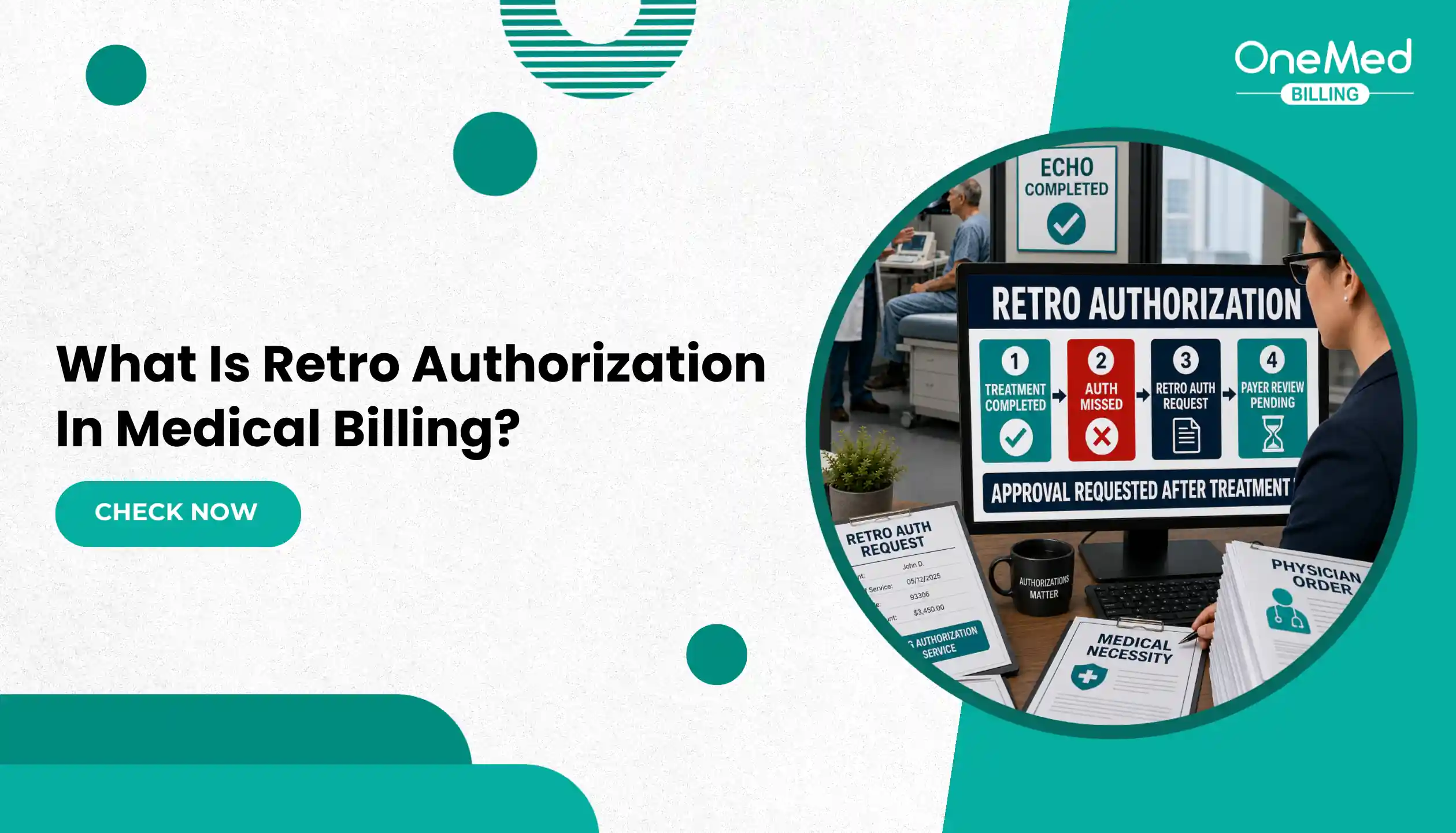
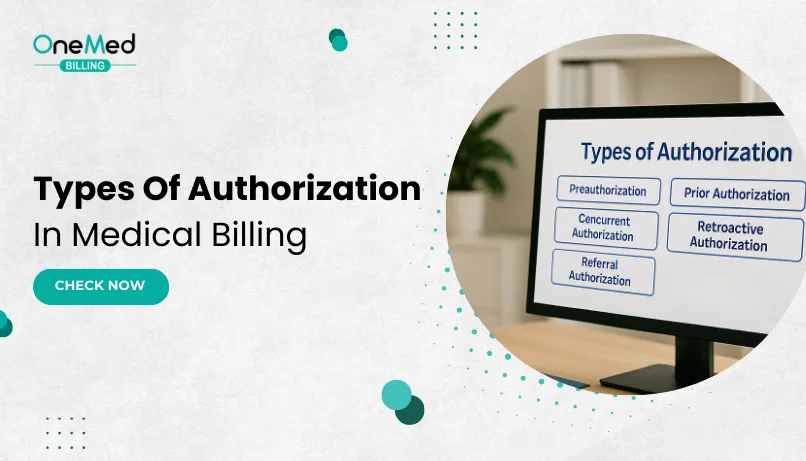
Sometimes a service still gets approved after care already started, through a separate process called retro authorization, which carries its own rules and higher denial risk. That is one of several types of authorization in medical billing worth knowing before assuming every approval works the same way.
Getting This Right Before Treatment
Predetermination tells someone what a service will likely cost. Prior authorization tells someone whether insurance will cover it at all. Confusing the two, or skipping the one that is actually required, is how avoidable bills and denials happen.
Getting this right once is manageable. Getting it right across hundreds of patients and a dozen different payers is where practices start falling behind, missing a required approval simply because no one caught it in time. Prior authorization service exists to close exactly that gap, checking every service against payer rules before treatment happens, so a denied claim never becomes the first sign something was missed. OneMed can help with exactly that.
Frequently Asked Questions
Find quick answers to common questions about this topic, explained simply and clearly.
What is the purpose of a predetermination?
The purpose of a predetermination is to help you understand how much your insurance is likely to cover before you receive a service. It provides a cost estimate so you can plan your out-of-pocket expenses in advance.
What is another name for prior authorization?
Another name for prior authorization is preauthorization. Some insurance plans may also call it prior approval or precertification, but they all mean getting insurance permission before treatment.
What is a predetermination vs preauthorization?
Predetermination is a cost estimate that shows what insurance may pay for a service. Preauthorization (prior authorization) is required approval that confirms whether insurance will cover the service at all.
How long does a predetermination take?
Predetermination usually takes a few days to two weeks, depending on the insurance company and type of service. Dental requests are often faster, while major medical procedures may take longer.