

What Is Scrubbing in Medical Billing and Why Does It Matter?
- Updated Date Aug 14, 2026
- Claims Submission
- Follow
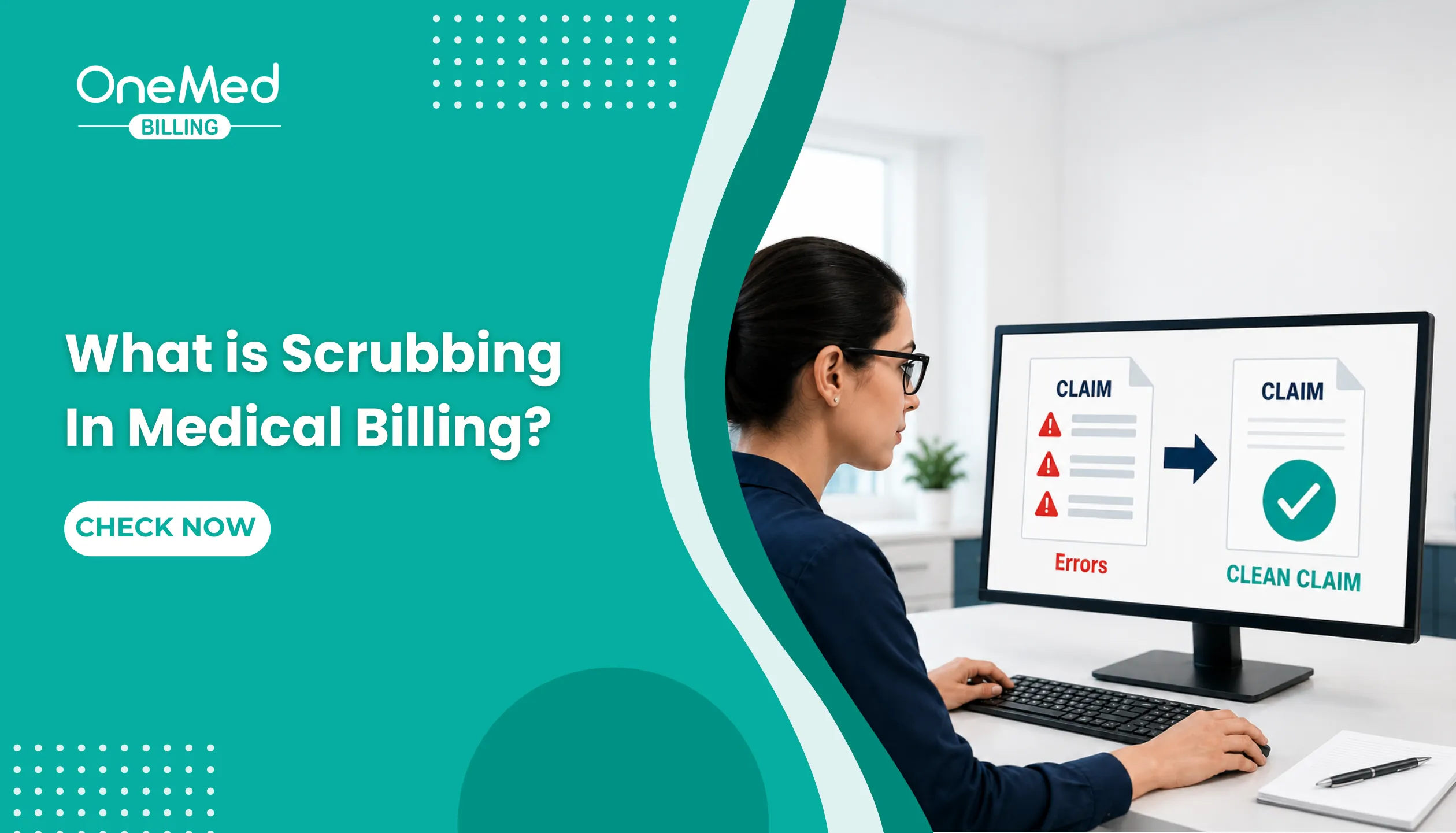
Scrubbing in medical billing is the process of reviewing a claim for errors before it is submitted to an insurance payer. It checks whether patient details, insurance information, medical codes, modifiers, authorization data, and required claim fields are complete and accurate.
The purpose of claim scrubbing is to identify and correct problems before submission so the claim has a better chance of being accepted and processed without unnecessary delays.
Why Is Claim Scrubbing Important?
Claim scrubbing is important because even a small error can prevent a medical claim from being processed correctly. Missing patient information, incorrect insurance details, invalid codes, modifier mistakes, or incomplete authorization data can cause the claim to be rejected, denied, or delayed.
By reviewing the claim before submission, billing teams can correct these issues early instead of waiting for the payer to return the claim. This reduces the need for corrections and resubmissions, lowers administrative workload, and helps more claims move through the billing process successfully on the first attempt. It also supports faster reimbursement and a more efficient revenue cycle.
What Does Claim Scrubbing Check?
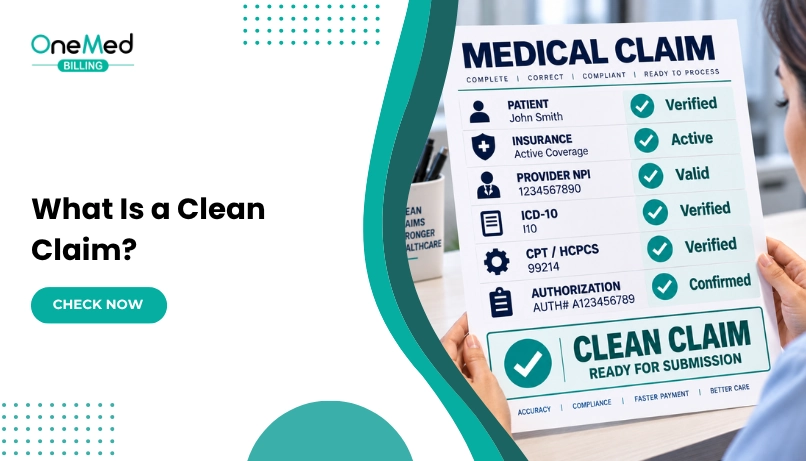
Claim scrubbing reviews the main elements of a medical claim to confirm that the information is complete, accurate, and consistent before submission. It commonly checks:
- Patient and subscriber information: Name, date of birth, address, member ID, group number, and relationship to the insured.
- Insurance and payer details: Payer ID, coverage information, primary and secondary insurance, and coordination of benefits.
- CPT, HCPCS, and ICD-10 codes: Codes are checked for validity, date-of-service accuracy, and correct use.
- Code relationships and medical necessity: The system checks whether the diagnosis supports the service billed and whether code combinations meet payer and coding rules.
- Modifiers and diagnosis pointers: Missing, incorrect, or incompatible modifiers and diagnosis links are identified.
- Authorization and referral details: Authorization numbers, approved services, date ranges, units, and referral requirements are verified.
- Provider information: Billing, rendering, referring, and ordering provider details, including NPI, taxonomy, and service location.
- Claim form and billing details: Place of service, units, charges, dates of service, claim frequency codes, and required fields.
- Duplicate and frequency issues: Duplicate claims, repeated service lines, and services billed more often than allowed may be flagged.
- Payer-specific requirements: The claim is checked against the insurer’s coding, documentation, formatting, and submission rules.
How Does the Claim Scrubbing Process Work?
The claim scrubbing process takes place after the claim is prepared but before it is submitted to the clearinghouse or insurance payer. It usually combines automated checks with manual review.
Step 1: Claim Information Is Collected
Patient details, insurance information, provider data, diagnosis codes, procedure codes, modifiers, charges, and authorization information are entered into the billing system.
Step 2: The Claim Is Automatically Reviewed
A claim scrubber checks the claim against coding rules, required claim fields, payer-specific requirements, and common billing edits.
Step 3: Errors and Warnings Are Flagged
The system identifies issues such as missing information, invalid codes, incorrect modifiers, duplicate services, authorization gaps, or incompatible code combinations.
Step 4: Billing Staff Review the Issues
A billing specialist reviews the flagged items to determine whether the claim needs correction. Complex coding or payer-specific warnings may require manual judgment.
Step 5: Corrections Are Made
Any incorrect, incomplete, or inconsistent information is corrected before the claim is released for submission.
Step 6: The Claim Is Rechecked and Submitted
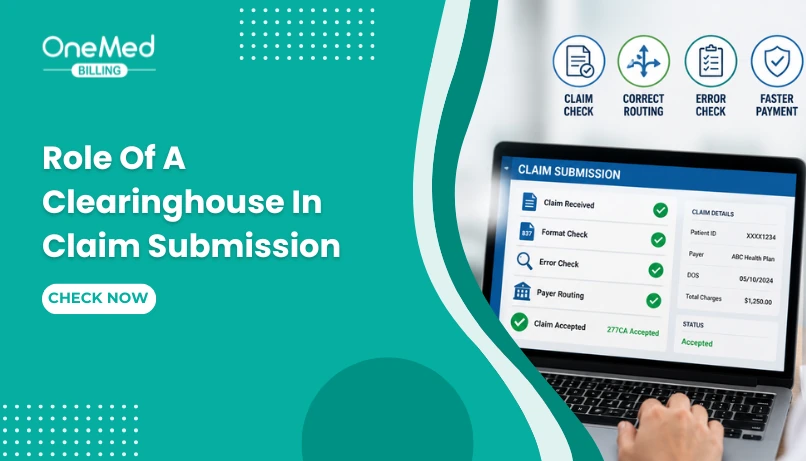
After the corrections are completed, the claim is scrubbed again. Once it passes the required checks, it is submitted electronically through the clearinghouse or directly to the payer for processing.
Manual vs Automated Claim Scrubbing
Manual claim scrubbing involves billing staff reviewing claim information before submission. They check patient details, insurance information, medical codes, modifiers, authorization data, and payer requirements. This method is useful for complex, high-value, or specialty claims because some issues require human judgment and billing experience.
Automated claim scrubbing uses software to scan claims against built-in coding edits, required fields, and payer-specific rules. It can review a large number of claims quickly and identify common errors consistently. However, software may not fully understand clinical context or unusual billing situations, so flagged claims may still need manual review.
| Area | Manual Claim Scrubbing | Automated Claim Scrubbing |
|---|---|---|
| How it works | Billing staff review claim details, codes, modifiers, and payer rules | Software scans claims using built-in edits and validation rules |
| Speed | Slower because claims require individual review | Faster because many claims can be checked within seconds |
| Best suited for | Complex, high-value, specialty, or unusual claims | Routine claims and high claim volumes |
| Main strength | Human judgment and payer knowledge | Speed, consistency, and common error detection |
| Main limitation | Time-consuming and difficult to scale | May miss issues requiring clinical context or interpretation |
The most effective approach usually combines both methods. Automated scrubbing handles common checks, while billing staff review complex or flagged claims before submission.
Benefits of Scrubbing in Medical Billing
Claim scrubbing gives billing teams a chance to fix errors before the claim reaches the clearinghouse or payer. This makes the billing process more practical because staff can correct problems during claim preparation instead of dealing with rejections, resubmissions, and payer follow-ups later.
1. Fewer Claims Returned for Correction
Errors such as a wrong member ID, missing modifier, invalid provider information, or incomplete claim field can be corrected before submission. This reduces the number of claims that come back from the clearinghouse or payer.
2. Less Time Spent on Rework
When claims are submitted with fewer errors, billing staff spend less time reopening claims, reviewing rejection messages, making corrections, and resubmitting them.
3. Faster Movement Through the Billing Cycle
A clean claim can move into payer processing without first being held for basic technical or coding problems. This helps reduce unnecessary payment delays.
4. Fewer Avoidable Denials
Scrubbing can identify missing authorization details, code conflicts, duplicate services, and payer-specific issues that may otherwise lead to preventable denials.
5. Better Use of Billing Staff Time
Instead of repeatedly fixing simple errors, staff can focus on complex denials, A/R follow-up, patient balances, and claims that require payer communication.
6. More Consistent Claim Submission
Using the same review process for every claim helps practices maintain consistent billing standards, even when claim volume increases or multiple staff members are involved.
Clearer Error Trends
Scrubbing reports can show which errors occur most often, such as incorrect insurance data or missing modifiers. Practices can use this information to improve registration, coding, and charge-entry workflows.
How OneMed Can Help With Claim Scrubbing?
OneMed Billing can support your practice by reviewing claims before submission and correcting issues that may lead to rejections, denials, or payment delays. Our team checks patient and insurance information, coding details, modifiers, authorization data, provider information, and payer-specific requirements.
We also provide end-to-end claim submission services, including claim preparation, scrubbing, electronic submission, rejection handling, corrections, and follow-up. This helps create a cleaner and more consistent billing process from the time a claim is prepared until it is accepted for payer processing.
Contact us or give us a call at (315) 366-8242, and we can review your current claim submission process and discuss how OneMed Billing can help you submit cleaner claims with fewer interruptions.
Frequently Asked Questions
Find quick answers to common questions about this topic, explained simply and clearly.
What is scrubbing in medical billing?
Scrubbing in medical billing is the process of checking a claim for missing information, coding errors, modifier issues, authorization gaps, and payer-specific requirements before submission.
When does claim scrubbing happen?
Claim scrubbing happens after the claim is prepared and before it is submitted to the clearinghouse or insurance payer.
Can claim scrubbing prevent all denials?
No. Claim scrubbing can prevent many avoidable denials, but it cannot stop denials related to coverage limits, medical necessity, missing documentation, or payer policy decisions.
Is manual review still necessary?
Yes. Automated scrubbers can catch common errors quickly, but complex, high-value, and specialty claims may still require manual review by experienced billing staff.