



What Is Prior Authorization? How It Works and What to Expect
- Updated Date Sep 5, 2026
- Prior Authorization
- Follow
Prior authorization is a common requirement in healthcare, but it is often misunderstood by both patients and providers. It refers to the approval an insurance company may require before certain medications, tests, procedures, treatments, or medical equipment are covered.
The process is meant to confirm that the requested care meets the patient’s health plan requirements. However, because every payer follows different rules, prior authorization can also create delays, denials, and additional administrative work when it is not handled correctly.
This guide explains what prior authorization is, why it is required, how the process works, which services commonly need approval, and what happens when authorization is denied or missed.
What Is a Prior Authorization?
Prior authorization is a requirement from a health insurance plan that must be completed before certain medications, tests, procedures, treatments, or medical equipment will be considered for coverage.
In most cases, the healthcare provider submits a request to the insurance company explaining why the recommended service is medically necessary. The insurer reviews the patient’s plan benefits, clinical information, and its own coverage criteria before approving, denying, or requesting more details.
For example, if a physician orders an MRI, specialty medication, or planned surgery, the insurance company may require prior authorization before the patient receives the service.
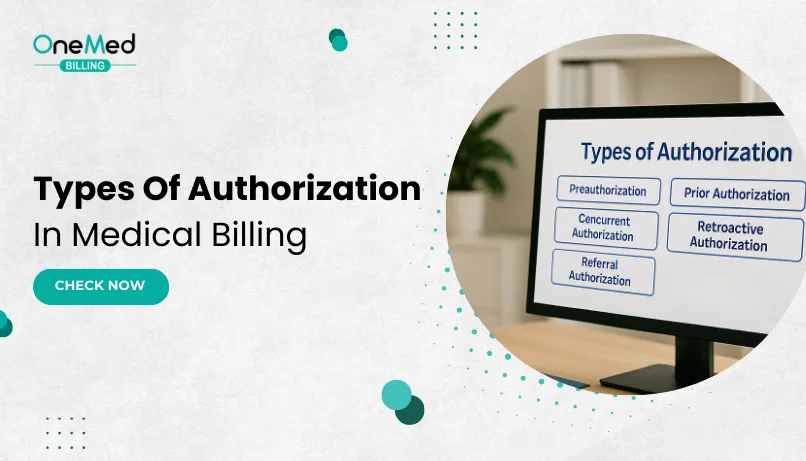
Prior authorization is also commonly called preauthorization, preapproval, or precertification, though precertification and preauthorization are not always used interchangeably across every payer. It is one of several types of authorization in medical billing. However, approval does not guarantee full payment. The final claim may still be affected by the patient’s eligibility, deductible, network status, authorization dates, approved units, and other plan requirements.
Providers sometimes request a predetermination instead, which estimates coverage without committing the payer to anything. It is worth knowing how predetermination differs from prior authorization before treating the two as the same step.
Why Is Prior Authorization Required?
Health insurance companies require prior authorization to review certain treatments, medications, tests, and procedures before agreeing to cover them. The purpose is to confirm that the requested care meets the plan’s medical necessity and coverage requirements.
Prior authorization is commonly used when a service is expensive, has lower-cost alternatives, or must meet specific clinical criteria. For example, an insurer may ask whether a patient has already tried a first-line medication before approving a more expensive specialty drug.
The review may help the payer determine:
- Whether the service is covered under the patient’s plan
- Whether it is medically necessary
- Whether another treatment should be tried first
- Whether the requested setting or provider meets plan requirements
- Whether the service matches the payer’s clinical guidelines
For providers, obtaining authorization before treatment can reduce the risk of avoidable claim denials. For patients, it can clarify whether the insurance plan is likely to cover the recommended care before the service is received.
However, prior authorization can also delay treatment when requests are incomplete, additional records are needed, or the payer requires further clinical review.
How Does the Prior Authorization Process Work?
The prior authorization process begins when a healthcare provider recommends a medication, test, procedure, treatment, or medical device that may require approval from the patient’s insurance company.
Although the exact requirements vary by payer and health plan, the process generally follows these steps:
1. The provider checks whether authorization is required
The provider’s office reviews the patient’s insurance benefits and payer guidelines to confirm whether the recommended service requires prior authorization.
Authorization requirements may depend on the patient’s plan, diagnosis, procedure code, medication, provider network, and site of care.
2. The required information is collected
If authorization is needed, the provider gathers the clinical and administrative information required by the payer.
This may include:
- Patient and insurance details
- Diagnosis and procedure codes
- Physician notes
- Test or imaging results
- Previous treatments or medications tried
- Treatment plan
- Letter of medical necessity
The documentation must explain why the requested care is appropriate for the patient.
3. The request is submitted to the payer
The provider sends the prior authorization request and supporting records to the insurance company. Depending on the payer, the request may be submitted through an online portal, electronic system, phone, or fax.
CMS also describes prior authorization as a process in which the provider or supplier submits a request with supporting medical documentation before the item or service is provided.
4. The insurance company reviews the request
The payer reviews the submitted information against the patient’s benefits, coverage policies, and clinical criteria.
During the review, the payer may determine whether:
- The service is covered
- The request meets medical necessity requirements
- Another treatment must be tried first
- A different provider or facility should be used
- Additional documentation is needed
5. The payer issues a decision
The insurance company may:
- Approve the request: The patient can move forward with the authorized care.
- Request more information: The provider must submit additional clinical records or clarification.
- Deny the request: The payer determines that the request does not meet its coverage criteria.
When approved, the provider should verify the authorization number, approved service, number of visits or units, effective dates, and any other conditions attached to the decision.
6. The provider and patient plan the next step
After approval, the provider can schedule or continue the treatment within the authorization terms.
If the request is denied, the provider may correct the submission, provide more documentation, request a peer-to-peer review, recommend an alternative treatment, or file an appeal.
Prior authorization approval does not guarantee final claim payment. The billed service must still match the approval, and the patient must meet all other eligibility and coverage requirements. HealthCare.gov also states that prior authorization is not a promise that the health plan will cover the full cost of the service.
What Services Commonly Require Prior Authorization?
Prior authorization is commonly required for:
- MRI, CT, and PET scans
- Planned surgeries and procedures
- Specialty and high-cost medications
- Hospital admissions
- Durable medical equipment
- Physical, occupational, and speech therapy
- Behavioral health and substance use treatment
- Out-of-network care
- Genetic and specialized laboratory testing
- Home health and certain post-acute care services
Requirements vary by payer and health plan, so providers should confirm whether authorization is needed before the service is delivered.
Who Is Responsible for Getting Prior Authorization?
In most cases, the healthcare provider or prescribing physician is responsible for submitting the prior authorization request to the patient’s insurance company.
The provider’s office typically confirms the requirement, gathers the necessary clinical documentation, submits the request, and follows up with the payer until a decision is received.
Patients may also need to confirm their insurance information, check the request status, or contact the health plan when additional information is needed. However, the clinical portion of the request is generally handled by the provider because it requires medical records and supporting documentation.
How Long Does Prior Authorization Take?
Prior authorization may take anywhere from a few hours to several days, depending on the payer, the requested service, the urgency of the case, and whether complete clinical documentation was submitted.
Under current CMS requirements for certain impacted payers, expedited requests must be decided within 72 hours, while standard requests must be decided within seven calendar days. These timelines do not apply to every insurance plan, so providers should always confirm the payer-specific requirements.
Delays often occur when records are missing, additional review is required, or the payer requests more information.
For a more detailed explanation, read our guide on how long prior authorization takes.
What Happens If Prior Authorization Is Denied or Missed?
If a prior authorization request is denied, the provider may submit additional documentation, correct errors, request a peer-to-peer review, recommend an alternative treatment, or file an appeal.
If authorization was required but not obtained before the service, the payer may deny the claim. This can result in delayed payment, additional follow-up, patient billing disputes, or a complete loss of reimbursement.
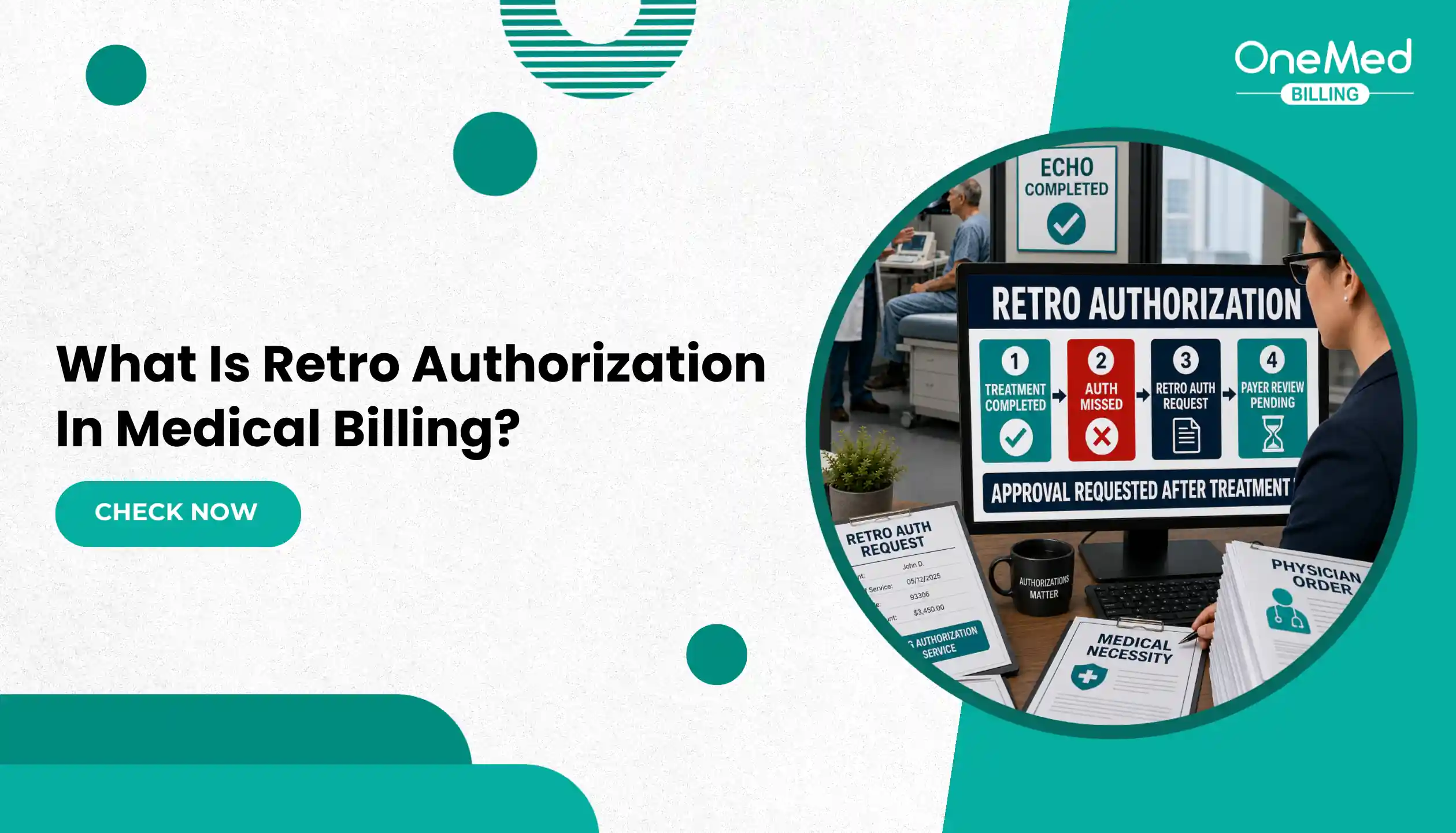
In some cases, the provider may request retro authorization, but approval is not guaranteed and depends on the payer’s rules and the circumstances of the case.
Conclusion
Prior authorization is an important step that helps insurance companies review whether certain treatments, medications, procedures, or services meet their coverage requirements before care is provided. For healthcare providers, the process involves checking payer rules, collecting the right clinical documentation, submitting the request, tracking the decision, and making sure the approval matches the service being delivered.
When the process is handled correctly, it can reduce avoidable denials and prevent delays in treatment. However, prior authorization can become difficult to manage when request volumes increase, payer requirements keep changing, or staff do not have enough time to follow up on every pending case.
In such situations, practices may consider working with a reliable prior authorization service provider to manage submissions, documentation, payer follow-ups, status tracking, and denial support. The goal is not simply to outsource another administrative task, but to create a more consistent process that protects patient access and reduces revenue loss caused by missed or delayed authorizations.
Frequently Asked Questions
Find quick answers to common questions about this topic, explained simply and clearly.
What is prior authorization in simple terms?
Prior authorization is when your doctor asks your insurance company for approval before giving certain tests, treatments, or medications. It makes sure the service is covered and medically necessary.
Does prior authorization mean insurance will pay?
Getting prior authorization usually means your insurance will cover the service, but it does not guarantee payment. Claims can still be denied later if other billing rules are not followed.
How long does prior authorization usually take?
The time varies by payor and service. Some approvals are given within 24–48 hours, while others, especially for complex treatments, may take several days or even weeks.
What services require prior authorization?
Common services include advanced imaging (like MRI or CT scans), surgeries, hospital admissions, specialty medications, behavioral health treatments, and out-of-network care.
Can a prior authorization be denied, and why?
Yes. Prior authorization can be denied if the service is not covered by the plan, if it lacks medical necessity, or if the request has missing or incorrect documentation.